|
Flint Glass Wharf, Jersey
Street,
Ancoats
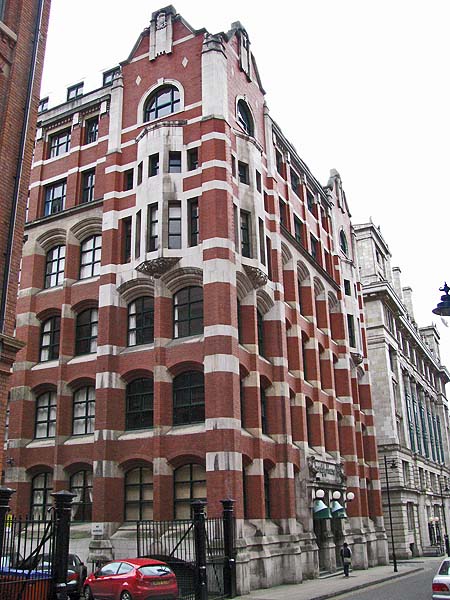
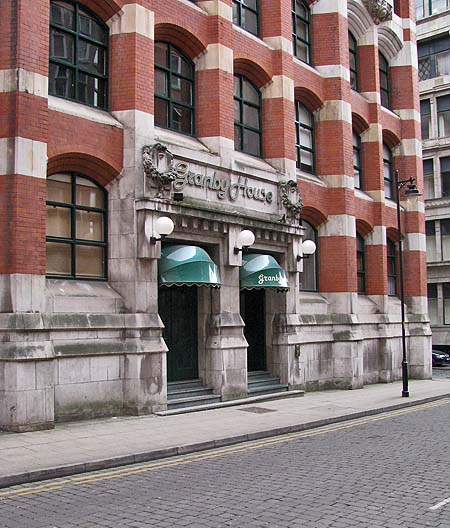
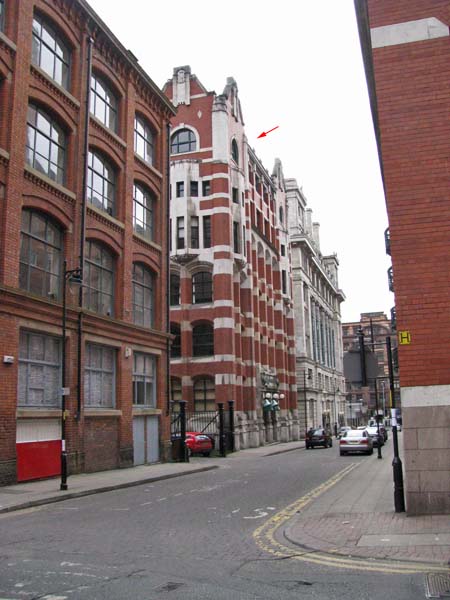
![]() As you can see from the signs above the
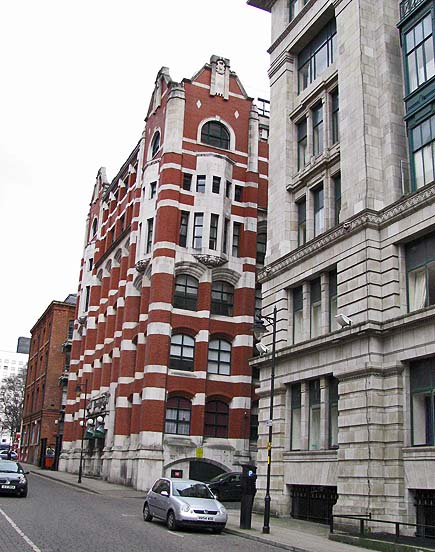
door of this refurbished office block on Jersey Street, the Flint Glass
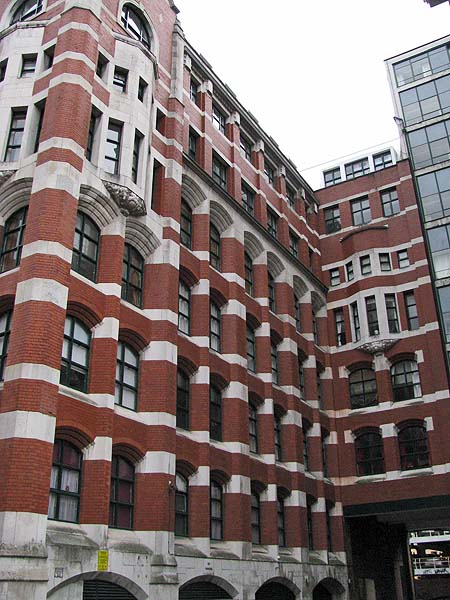
Works is once again open for business. Behind the brick built
block stands a modern apartment complex providing 136 - 1, 2 and 3 bedroom
apartments and 4 self contained commercial spaces. A semi-basement car
park provides space for 124 vehicles.
![]() ![]() ![]() ![]() ![]() The complex sits on the site of the
Percival, Yates and Vickers Flint Glass Works, that was
established in 1844. When Yates later left the company the firm became
known as Percival Vickers & Co
Ltd.
![]() The extract from the 1851
Adshead Map above is shown with the permission of Chetham's Library
Flint Glass is made by adding particles of flint to produce a particularly refractive and refined type of glass. It became the standard of excellence in glassmaking until it was discovered that adding lead to the mixture produced even more superior glass. Percival & Yates concentrated on the production of general tableware by a process that involved pressing the softened silica mixture into patterned molds. Examples of their work can be seen in the image below shown with the permission of Ann Murray. For more examples of Manchester glass see www.murrayam.supanet.com. ![]() photo by Ann Murray Percival & Vickers issued its final pattern registration in 1902, filed for bankruptcy in 1907, and disappeared off the company lists in 1914. The factory remained as you can see from
the aerial photographs below dated 1949. Who occupied them in the
intervening years is as yet unknown to me.
![]() ![]() Much of the old factory has ben
demolished although prior to the construction of the new development
archeological investigations shed some light on the nature of the old
glass furnaces and of the glass itself. Some of the original
factory buildings have been incorporated into this mixed-use site.
![]() Close Window |