|
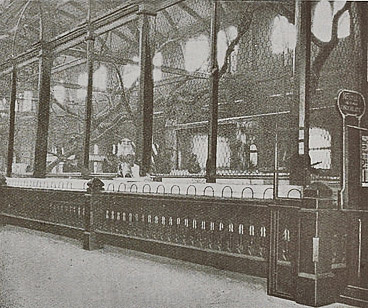
I remember the Monkey
House from the early 1950s before they changed its
interior design. From its inception the building
contained a large central cage with other cages along
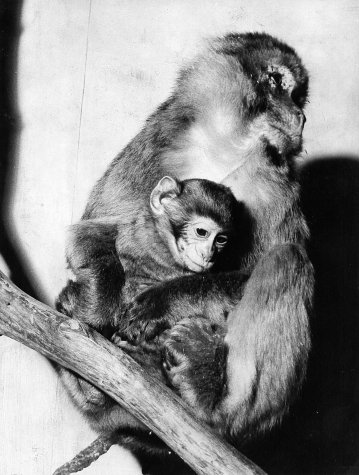
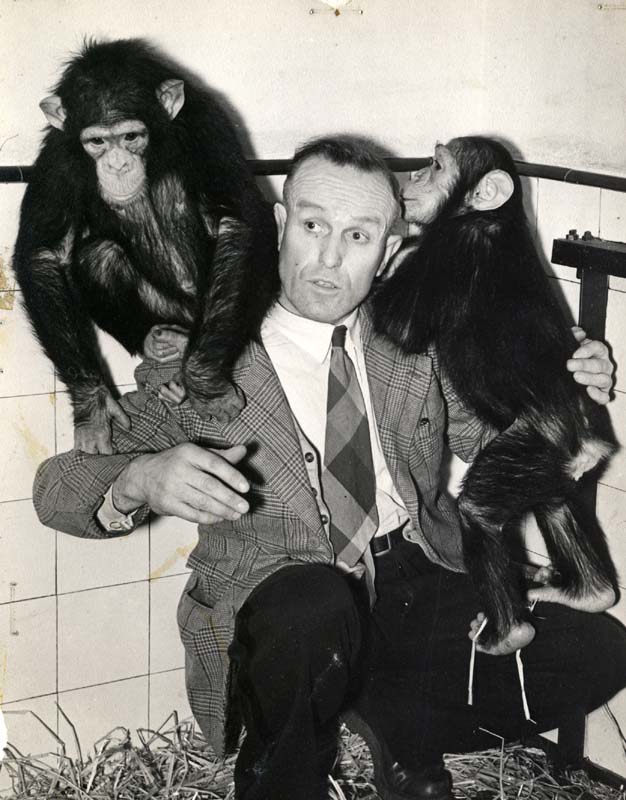
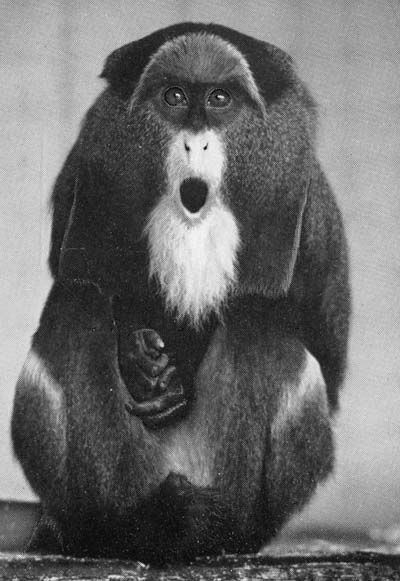
the outer walls. In the late 50s that central cage was redesigned into several smaller ones. When you consider the close proximity of the Monkey House to the Fireworks Lake, it doesn't take much imagination to realize the affect that those performances must have had on the building's residents. 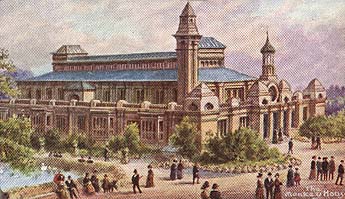 Monkeys had a number of residences at the zoo, one of them being the Monkey Terrace, a row of cages attached to the side of the Elephant House (see red arrow below). On one visit to the zoo I saw a keeper enter one of these cages and one of the monkeys jumped on his shoulder and then his head before leaping onto the roof and away. At a later date those cages were demolished and replaced with a row of bird cages that employed a system of tightly strung wires to keep the birds in whilst giving a less restricted view to the visitors. 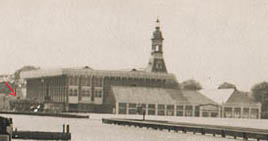 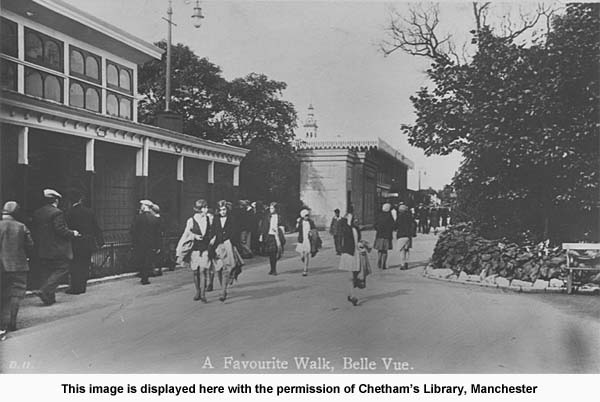 In the late 50s the zoo installed what they called the Monkeyrama. It was a sort of bear pit arrangement filled with hexagonal concrete columns to simulate a sort of artificial Giants' Causeway. It housed, I think, what they called Barbary Apes, the same creatures that live on the Rock of Gibralta. It was located on the edge of the funfare, not too far from the Kings Hall. 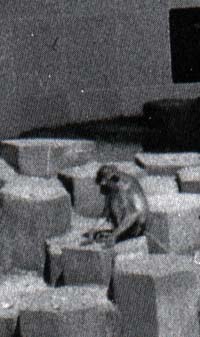
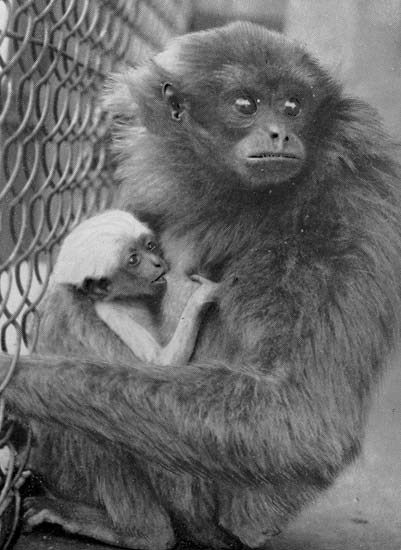
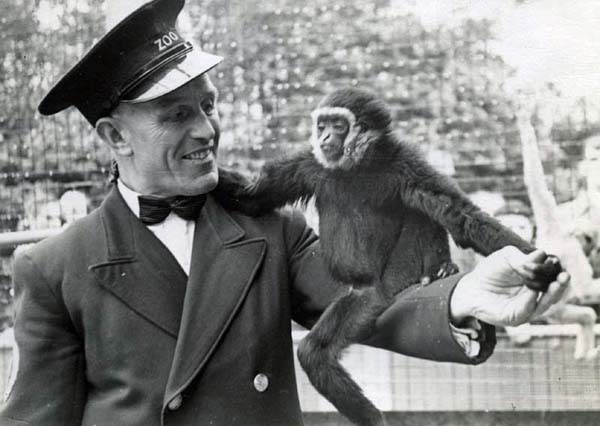
One of the first animal
attractions you came to, when entering from the Hyde
Road entrance, was the Gibbon Cage, a tunnel shaped
structure of slender steel arches covered in a sort of
metal mesh (see below). Inside the gibbons performed
their acrobatic feats and were often seen hanging
casually from the very top of the structure. 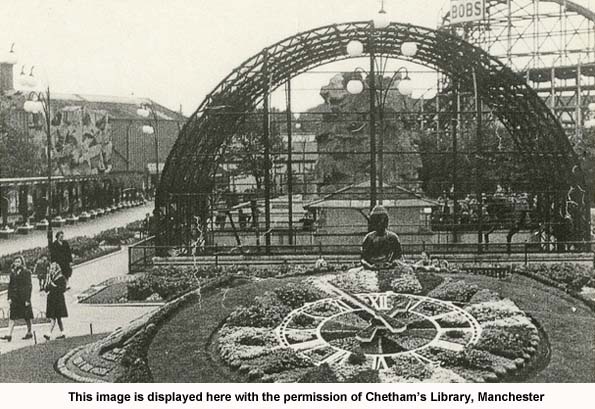 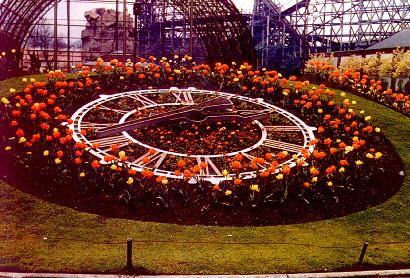 In July of 1963 Morecambe
and Wise visited Belle Vue to open the new Great Ape
House. The building cost £50,000 to build and featured
plate glass windows through which visitors could observe
the animals when they were indoors. Underground
passageways connected the indoor accommodation with
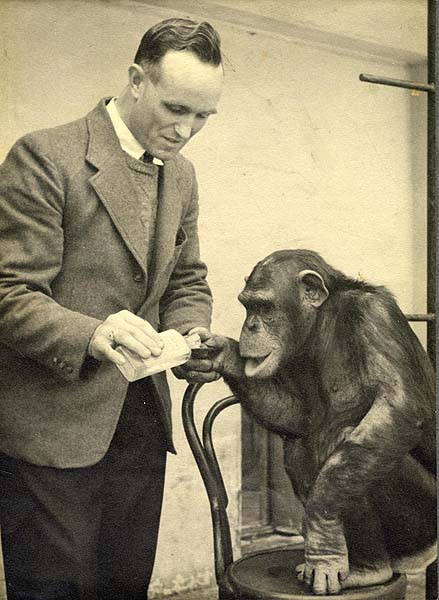
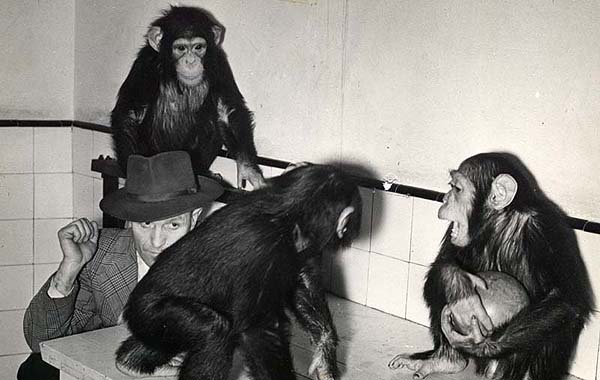
outdoor pens. The images below were
donated by Tommy Kelly
All the material on this web site is © David Boardman, unless otherwise stated, and may not be copied, downloaded or otherwise reproduced or retransmitted without the written permission of the webmaster. Any contravention of the copyright of others is unintentional and will be corrected immediately when brought to the attention of the webmaster. |